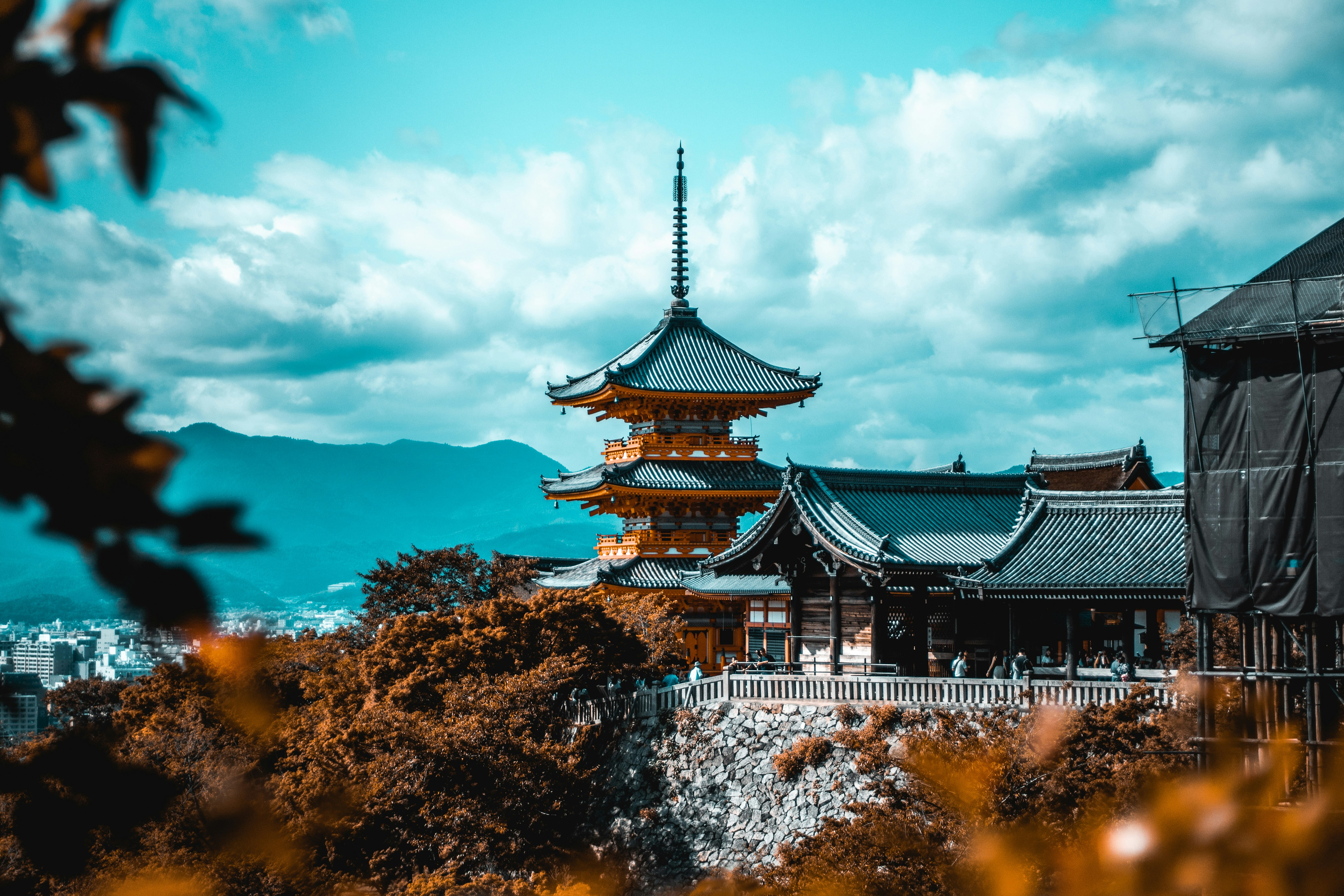
Best Places to Visit in Kyoto (2026 Travel Guide)
Kyoto is Japan's cultural soul — a city of 1,600 Buddhist temples, ancient geisha districts, and bamboo forests that transport you to a different era. Discover the very best of Kyoto in 2026.
Best Places to Visit in Kyoto (2026 Travel Guide)
While Tokyo dazzles with its energy and modernity, Kyoto enchants with its timeless grace. Japan's imperial capital for over a thousand years, Kyoto is home to more UNESCO World Heritage sites than almost any other city in the world. Its temples, gardens, geisha districts, and bamboo groves offer a window into a Japan of extraordinary beauty and depth. Here is your complete guide to the best places to visit in Kyoto.
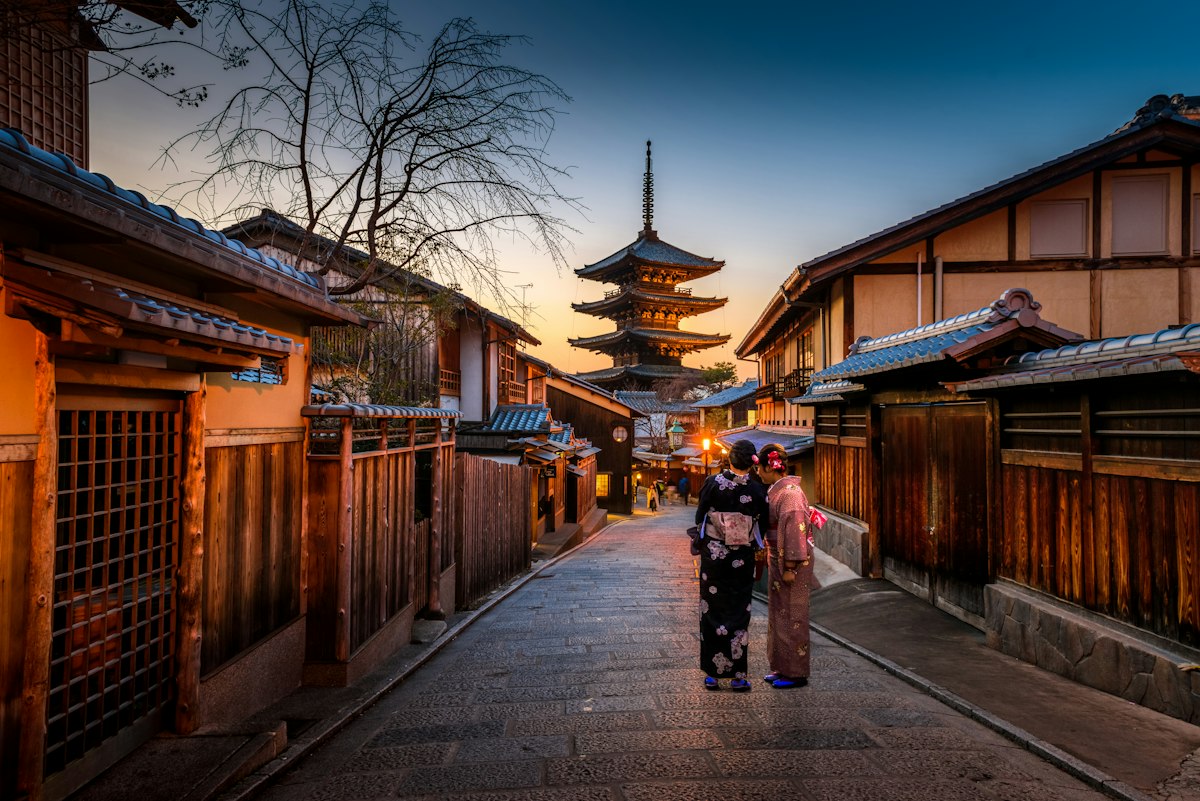
1. Fushimi Inari Shrine – Thousands of Torii Gates
One of Japan's most photographed and instantly recognizable sights, Fushimi Inari Shrine features thousands of vermillion torii gates winding up the forested slopes of Mount Inari. The full trail to the summit and back takes 2–3 hours, and the crowds thin dramatically the higher you climb. Start early — before 8 AM — to experience the lower gates in atmospheric near-solitude before the day-trippers arrive.
The shrine is dedicated to Inari, the Shinto god of foxes and rice, and the entire mountainside is dotted with smaller shrines, stone fox statues, and lanterns that glow hauntingly at dusk.
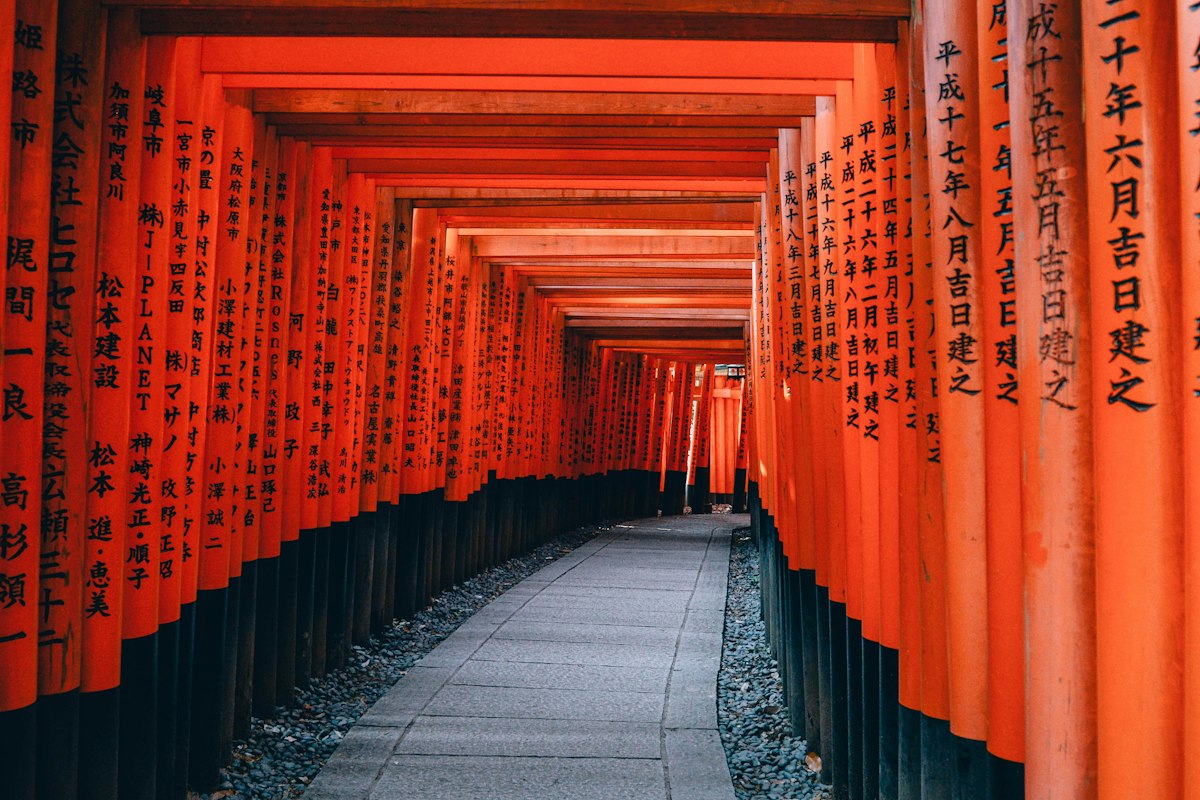
2. Arashiyama Bamboo Grove
Walking through the Arashiyama Bamboo Grove is one of those experiences that photographs simply cannot prepare you for. Towering green stalks rise 20–30 meters on either side of the narrow path, filtering the light into something ethereal and the sound into a deep, oceanic whisper when the wind moves through. Located in the Arashiyama district on Kyoto's western outskirts, the grove connects to the beautiful Tenryu-ji Temple garden — one of Japan's finest Zen gardens.
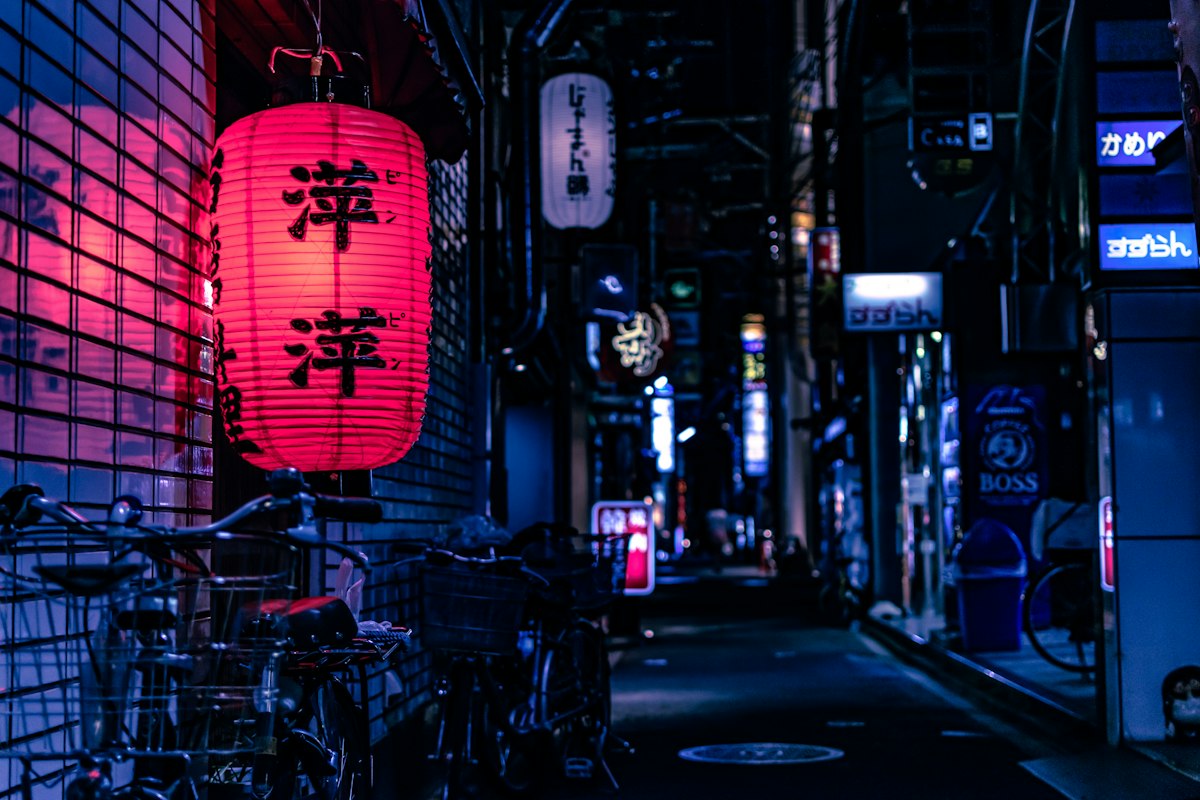
3. Kinkaku-ji – The Golden Pavilion
Kinkaku-ji, the Temple of the Golden Pavilion, is Kyoto's most famous landmark. The top two floors of this Zen Buddhist temple are completely covered in gold leaf, reflecting beautifully in the still pond that surrounds it. The surrounding garden, representing paradise, was designed in the 14th century and remains one of Japan's most meticulously maintained landscape gardens.
4. Gion – Kyoto's Geisha District
The Gion district is Kyoto's most atmospheric neighborhood — a place where the past and present coexist in remarkable harmony. Traditional machiya wooden townhouses line the narrow streets of Hanamikoji-dori, many housing ochaya (teahouses) where geiko and maiko entertain guests. Geiko sightings are increasingly rare but still possible in the early evening along Hanamikoji, particularly in the weeks before major festivals.
5. Nishiki Market – Kyoto's Kitchen
Running five blocks through central Kyoto, Nishiki Market is a narrow, covered shopping street known as Kyoto's Kitchen. Over 100 stalls and shops sell everything from fresh tofu and pickled vegetables to street food skewers and traditional sweets. It's the best place in Kyoto to taste local specialties like dashimaki tamago, yuba (tofu skin), and matcha-flavored everything.
6. Philosopher's Path – Cherry Blossoms and Tranquility
The Philosopher's Path is a 2-kilometer canal-side walk named after the philosopher Nishida Kitaro, who meditated along it daily. In spring, the path is one of Japan's most celebrated cherry blossom spots. In all seasons, it connects a series of beautiful temples — including Nanzen-ji, Eikan-do, and Ginkaku-ji (the Silver Pavilion) — making it Kyoto's most rewarding stroll.
Travel Tips for Visiting Kyoto
- Visit popular sites like Fushimi Inari and the Bamboo Grove before 8 AM to beat the crowds.
- Rent a bicycle — Kyoto is relatively flat and cycling is the best way to explore between temples.
- Cherry blossom season (late March to early April) is magical but extremely busy — book accommodation 6–12 months ahead.
- Kyoto's bus system is extensive and affordable. A day pass offers unlimited travel.
- Be respectful in residential areas of Gion — avoid photographing residents without permission.
FAQ
How many days do you need in Kyoto?
Three to five days allows you to cover Kyoto's main highlights comfortably. Many travelers spend a full week and wish they had more time.
Is Kyoto better than Tokyo?
They're complementary, not comparable. Tokyo is electrifying and modern; Kyoto is reflective and ancient. Most visitors to Japan find that the combination of both cities — typically connected by a short Shinkansen ride — creates the perfect balance.
Conclusion
Kyoto is the Japan you imagined before you arrived — the Japan of temple bells, bamboo forests, and golden pavilions reflected in still water. It is a city that rewards patience and early mornings, and a destination that changes something in you quietly, without you quite realizing it until you've left. Give it time. It will give you memories to last a lifetime.